Last Updated: July 2026
Studying in Thailand has become increasingly popular among international students thanks to its affordable tuition fees, internationally recognized universities, vibrant culture, and excellent quality of life. Whether you're planning to earn a university degree, study the Thai language, attend an international school, or train at an approved educational institution, you'll typically need a Thailand Education Visa, officially known as the Non-Immigrant ED (Education) Visa.
However, obtaining an Education Visa involves more than simply enrolling in a school. You must meet Thai immigration requirements, prepare the correct documents, follow the appropriate application process, and comply with ongoing immigration regulations while living in Thailand.
This comprehensive guide explains everything you need to know about the Thailand Education Visa in 2026, including eligibility, required documents, application procedures, visa extensions, costs, and important rules every student should understand before beginning their studies.
What Is a Thailand Education Visa?
A Thailand Education Visa, commonly called the ED Visa, is a type of Non-Immigrant Visa issued to foreign nationals who have been accepted into an approved educational program in Thailand.
The visa allows eligible students to legally stay in Thailand while participating in full-time education or training at an institution recognized by the relevant Thai authorities.
Unlike a Tourist Visa, an Education Visa is intended for long-term educational purposes. Depending on your course and school, you may be able to extend your permission to stay throughout your studies, provided you continue to meet immigration and attendance requirements.
The Education Visa Is Available for Students Enrolled In:
- Universities
- International schools
- Government schools
- Private schools approved by the Ministry of Education
- Thai language schools
- Vocational colleges
- Exchange student programs
- Approved cultural and educational training programs
- Certain Muay Thai training programs that qualify under current immigration regulations
Not every educational institution can sponsor an ED Visa. Before enrolling, always confirm that your chosen school is authorized to support international student visa applications.
Why Study in Thailand?
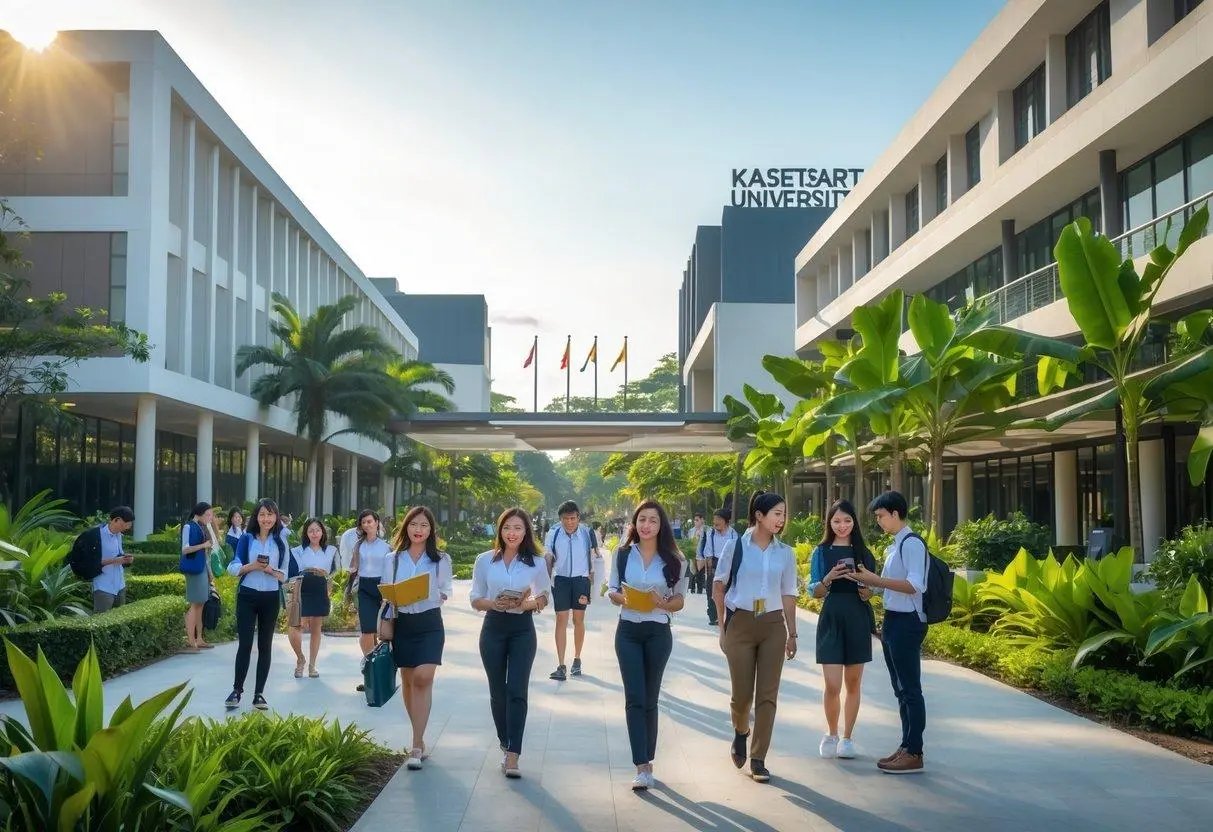
Thailand has become one of Southeast Asia's leading destinations for international education. Every year, thousands of students choose Thailand because it combines quality education with an affordable cost of living and a welcoming international community.
Some of the main advantages include:
Affordable Tuition Fees
Compared with many countries in Europe, North America, and Australia, tuition fees in Thailand are generally more affordable while still offering high-quality education.
Internationally Recognized Universities
Many Thai universities offer degree programs taught entirely in English and maintain partnerships with universities around the world.
Lower Cost of Living
Accommodation, transportation, food, and daily expenses are often more affordable than in many other international study destinations.
Rich Cultural Experience
Living in Thailand gives students the opportunity to experience:
- Thai traditions
- Local festivals
- Diverse cuisine
- Historic temples
- Beautiful beaches
- Modern cities
Convenient Travel
Thailand's central location in Southeast Asia makes it easy to travel to neighboring countries during school breaks.
Types of Educational Programs Eligible for an ED Visa
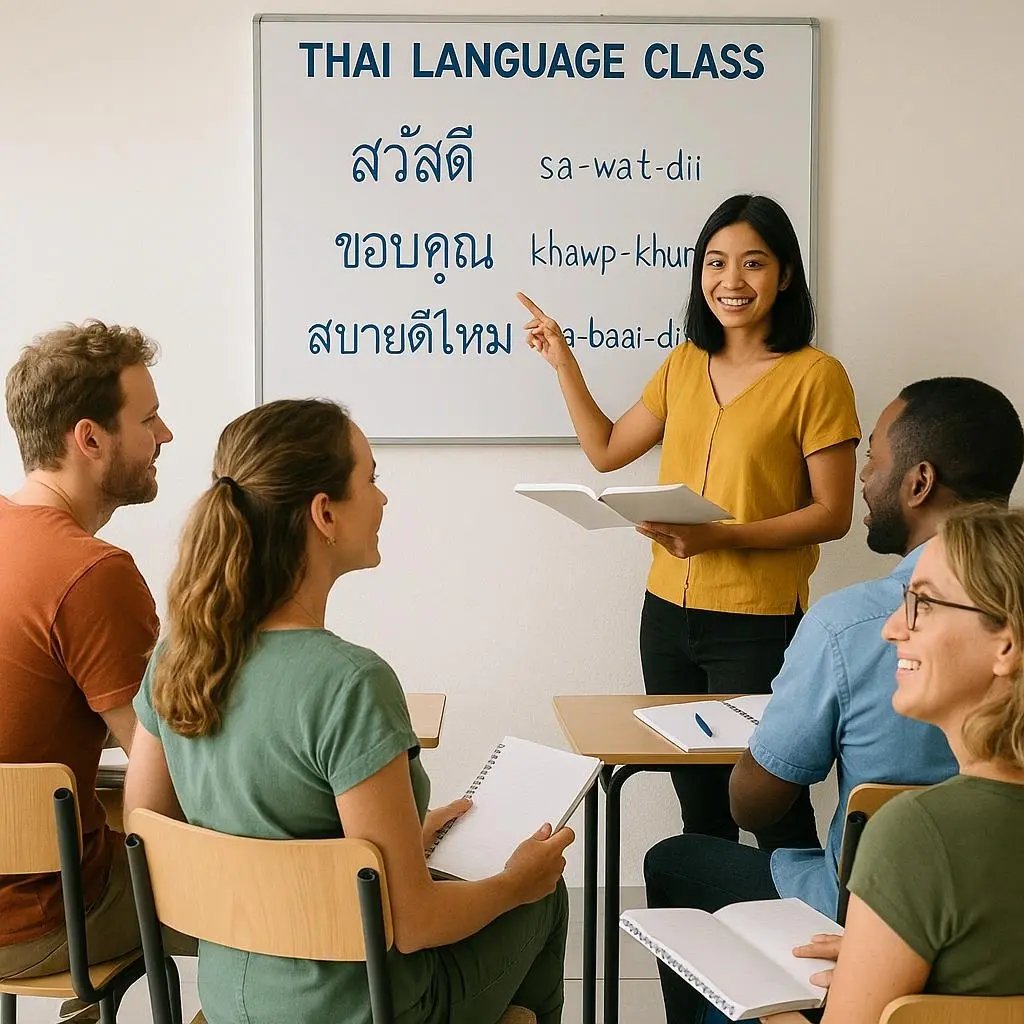
Different educational programs may qualify for a Thailand Education Visa, provided they meet immigration requirements.
1. University Degree Programs
Students pursuing:
- Bachelor's degrees
- Master's degrees
- Doctoral degrees
at accredited Thai universities are generally eligible.
2. International Schools
Children of expatriates and international families attending licensed international schools can obtain an Education Visa through their school.
3. Thai Language Schools
Many foreigners choose Thailand to study the Thai language. Approved language schools can often provide the documentation needed to support an ED Visa application.
4. Vocational Colleges
Technical and vocational institutions offering approved educational programs may also sponsor eligible students.
5. Exchange Programs
Students participating in officially recognized exchange programs can usually apply for an Education Visa for the duration of their studies.
6. Approved Training Programs
Certain specialized educational or cultural training programs may qualify if they meet the requirements established by Thai immigration authorities.
Who Can Apply for a Thailand Education Visa?
The Education Visa is available to foreign nationals who have received acceptance from an eligible educational institution in Thailand.
Generally, applicants must:
- Hold a valid passport.
- Receive an official acceptance or admission letter.
- Meet the school's enrollment requirements.
- Provide the documents required by the Thai embassy, consulate, or immigration office.
- Intend to study full-time.
- Comply with Thai immigration regulations throughout their stay.
Eligible Applicants
|
Applicant Type
|
Eligible
|
|
University students
|
✅
|
|
International school students
|
✅
|
|
Thai language students
|
✅
|
|
Vocational students
|
✅
|
|
Exchange students
|
✅
|
|
Government scholarship students
|
✅
|
|
Approved educational training participants
|
✅
|
Eligibility may vary depending on the institution, nationality, and the location where the visa application is submitted.
Thailand Education Visa Requirements
Before applying, students should ensure they meet all relevant requirements.
Basic Requirements
Most applicants will need:
- A passport with sufficient remaining validity.
- A completed visa application form.
- Passport-sized photographs.
- An official admission or acceptance letter.
- Supporting documents from the educational institution.
- Proof that the school is authorized to enroll international students.
- Payment of the applicable visa fee.
- Additional supporting documents if requested by the Thai embassy or immigration office.
Different embassies and consulates may request additional documents depending on your nationality or personal circumstances.
Documents Required for a Thailand Education Visa
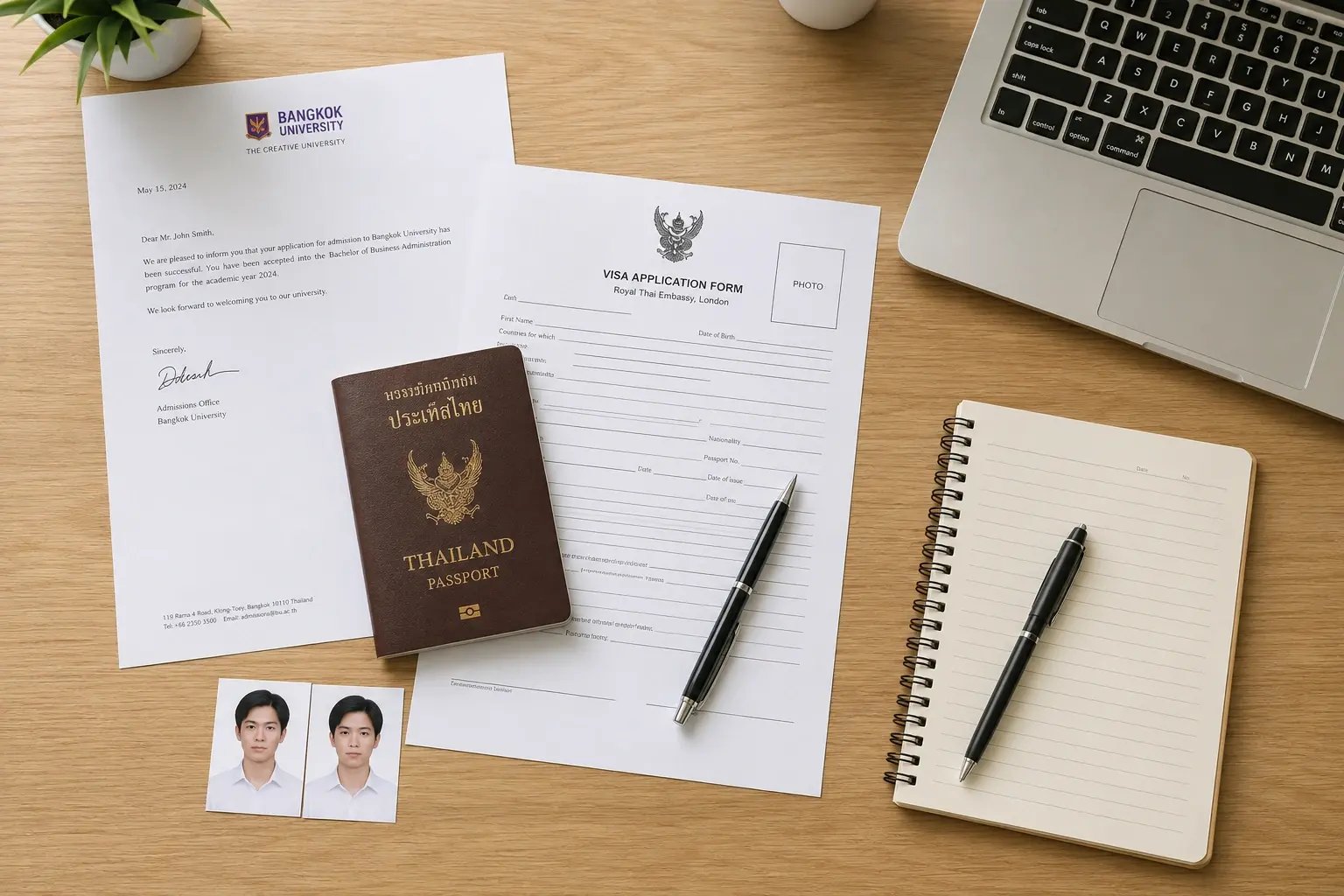
Preparing complete and accurate documentation can help reduce delays during the application process.
The required documents commonly include:
|
Document
|
Required
|
|
Valid passport
|
✅
|
|
Completed visa application form
|
✅
|
|
Passport-sized photographs
|
✅
|
|
Admission letter
|
✅
|
|
School registration documents
|
✅
|
|
Copy of passport information page
|
✅
|
|
Visa fee payment
|
✅
|
|
Additional supporting documents (if requested)
|
Sometimes
|
Some applicants may also be asked to provide financial evidence, proof of accommodation, or other supporting documents depending on the Thai embassy or consulate where they apply.
Passport Requirements
Your passport is one of the most important parts of your application.
Before applying, make sure your passport:
- Is valid for an appropriate period based on the requirements of the embassy or consulate.
- Has blank pages available for visa stamps.
- Is in good condition and not damaged.
- Matches all information provided in your application.
If your passport is close to expiring, consider renewing it before beginning the visa process.
Admission Letter from Your School
The admission letter confirms that you have been accepted into an approved educational program.
It generally includes:
- Student's full name
- Passport number
- Name of the institution
- Course title
- Course duration
- Program start date
- School signature and official stamp
This document is one of the key pieces of evidence supporting your Education Visa application.
Choosing the Right School
Selecting an appropriate educational institution is an important step in the visa process.
Before enrolling, consider:
- Is the school legally registered?
- Can it support Education Visa applications?
- Does it have experience working with international students?
- Are attendance requirements clearly explained?
- Does the course align with your educational goals?
- What are the tuition fees and additional costs?
Researching these questions in advance can help avoid complications later in the application process.
Benefits of Holding a Thailand Education Visa
An Education Visa offers several advantages compared with short-term visas.
Longer Stay
Students can remain in Thailand for the duration permitted by immigration, subject to extensions where applicable.
Focus on Education
The visa allows students to legally pursue approved educational programs without relying on repeated short-term entries.
Access to Educational Opportunities
Students can participate in academic activities, language learning, cultural programs, and other approved courses.
Opportunity to Experience Thailand
Living in Thailand provides valuable opportunities to explore the country's culture, history, cuisine, and local communities while studying.
Important Responsibilities for ED Visa Holders
Receiving an Education Visa also comes with responsibilities.
Students are generally expected to:
- Attend classes regularly.
- Follow school rules.
- Comply with Thai immigration regulations.
- Keep their passport valid.
- Apply for visa extensions before their current permission expires, if eligible.
- Complete any required immigration reporting during a long-term stay.
- Notify the relevant authorities of address changes when required.
Failure to comply with immigration or school requirements may affect your ability to extend your stay or obtain future visas.
How to Apply for a Thailand Education Visa
Applying for a Thailand Education Visa (Non-Immigrant ED Visa) involves several steps, from enrolling in a school to receiving your visa and maintaining your legal status after arriving in Thailand. While the exact process may vary depending on your nationality and where you apply, the following steps are generally applicable to most international students.
Step 1: Choose an Approved Educational Institution
The first step is selecting a school that is authorized to enroll international students and provide the necessary documents for an ED Visa application.
Before paying tuition fees, confirm that the school:
- Is legally registered in Thailand.
- Is recognized by the relevant Thai authorities.
- Can issue the documents required for a Non-Immigrant ED Visa.
- Has experience assisting international students with visa applications.
Many universities, international schools, and licensed language schools have dedicated international offices that guide students through the visa process.
Step 2: Complete Your Enrollment
Once you've chosen a school, you'll need to complete the admission process. This typically includes:
- Submitting an application form.
- Providing copies of your passport.
- Paying registration or tuition fees.
- Meeting any academic or language requirements.
After your enrollment is approved, the school will prepare the documents you'll need for your visa application.
Step 3: Receive Your School Documents
Your educational institution will usually provide documents such as:
- Official acceptance letter.
- Enrollment confirmation.
- School registration documents.
- Supporting letters for immigration or the Thai embassy (if required).
Review all documents carefully to ensure that your name, passport number, and course details match your passport exactly.
Step 4: Prepare Your Visa Application
Gather all required documents before submitting your application.
A typical application package includes:
|
Document
|
Required
|
|
Passport
|
✅
|
|
Completed visa application form
|
✅
|
|
Passport-sized photographs
|
✅
|
|
Admission letter
|
✅
|
|
School supporting documents
|
✅
|
|
Passport copy
|
✅
|
|
Visa fee
|
✅
|
|
Additional supporting documents (if requested)
|
Sometimes
|
Some embassies or consulates may request additional documents, so always check the latest requirements before applying.
Step 5: Submit Your Visa Application
Depending on your circumstances, you may:
- Apply at a Royal Thai Embassy or Royal Thai Consulate in your country of residence or another country where applications are accepted.
- In some situations, eligible applicants already in Thailand may be able to apply for a change of visa status through Thai Immigration, subject to current regulations and approval.
Visa procedures can change, so confirm the correct process with your school and the relevant Thai authorities before submitting your application.
Step 6: Wait for Visa Processing
Processing times vary depending on:
- The embassy or consulate.
- Your nationality.
- Seasonal application volume.
- Whether additional documents are required.
Generally, students should allow sufficient time before their intended travel date to avoid delays.
Step 7: Travel to Thailand
Once your visa is approved, you may travel to Thailand.
When entering Thailand, immigration officers may ask to see:
- Your passport with the ED Visa.
- School documents.
- Proof of accommodation.
- Return or onward travel (if requested).
- Financial evidence (in some cases).
Keep both printed and digital copies of your important documents while traveling.
Thailand Education Visa Processing Time
Processing times are not the same for every applicant.
The following estimates are typical but may vary depending on the embassy or immigration office.
|
Process
|
Estimated Time
|
|
School admission
|
1–4 weeks
|
|
School document preparation
|
1–3 weeks
|
|
Visa processing
|
3–15 working days
|
|
Change of visa status (if applicable)
|
Varies
|
|
Visa extension
|
Varies by immigration office
|
To avoid unnecessary stress, begin the application process well in advance of your course start date.
How Much Does a Thailand Education Visa Cost?
The total cost of studying in Thailand includes more than just the visa fee.
Common expenses may include:
|
Expense
|
Estimated Cost
|
|
Visa application fee
|
Varies by embassy
|
|
School tuition
|
Depends on the institution and course
|
|
Translation or document certification
|
If required
|
|
Visa extension fee
|
According to current Thai Immigration fees
|
|
Re-entry permit (if needed)
|
Additional fee
|
|
Health insurance (if required)
|
Depends on provider
|
Always confirm the latest government fees before submitting your application, as they may change.
Can You Extend a Thailand Education Visa?
Yes. Most students who continue meeting the requirements of their educational institution may apply to extend their permission to stay in Thailand.
Extensions are generally granted based on:
- Continued enrollment.
- Satisfactory attendance.
- Compliance with immigration regulations.
- Updated documents from the school.
Extensions are not automatic. Students must apply before their current permission to stay expires.
Documents Commonly Required for a Visa Extension
While requirements can vary, students are often asked to provide:
- Passport.
- TM.7 application form.
- Passport-sized photographs.
- School certification letter.
- Enrollment confirmation.
- Attendance records (if applicable).
- Immigration fee.
- Copies of passport pages.
- Additional documents requested by the immigration office.
Always verify the latest requirements with your school and the immigration office where you plan to apply.
How Long Can You Stay on an ED Visa?
The length of stay depends on your course and immigration approval.
A typical timeline looks like this:
|
Stage
|
Typical Permission
|
|
Initial entry
|
Usually up to 90 days
|
|
Extension
|
Based on course duration and immigration approval
|
|
Long-term study
|
Renewable while eligible
|
Students must continue meeting both school and immigration requirements throughout their stay.
90-Day Reporting
Many foreign nationals staying in Thailand for extended periods are required to complete 90-day reporting with Thai Immigration.
This is not a visa renewal. Instead, it is a requirement to notify immigration of your current residential address every 90 days while remaining in Thailand.
Depending on the regulations in effect, reporting may be completed:
- In person at the immigration office.
- By mail (where accepted).
- Online (if eligible).
Missing a required 90-day report may result in penalties, so mark the due date on your calendar and complete it on time.If you want to know more information of 90 day report, can read in this blog. https://www.goldenstepvisaservices.com/blog/90-day-report-thailand
Re-Entry Permits
If you plan to leave Thailand temporarily during your studies, you may need a re-entry permit before departing.
Without a valid re-entry permit, your permission to stay may be cancelled when you leave Thailand, even if your Education Visa has not yet expired.
There are two common types:
|
Permit Type
|
Suitable For
|
|
Single Re-Entry Permit
|
One trip outside Thailand
|
|
Multiple Re-Entry Permit
|
Multiple trips during the validity period
|
Always check your travel plans before leaving Thailand and obtain a re-entry permit if necessary.
Common Mistakes to Avoid
Many visa delays and refusals happen because of simple mistakes. Avoid these common issues:
- Applying with incomplete documents.
- Waiting until the last minute to apply.
- Providing inconsistent information.
- Enrolling in a school that cannot support an ED Visa.
- Missing immigration appointments.
- Failing to extend your permission before it expires.
- Not attending classes as required.
- Forgetting to complete 90-day reporting.
- Leaving Thailand without obtaining a re-entry permit when one is required.
Careful preparation and following immigration rules can help ensure a smooth study experience.
Tips for a Successful Application
To improve your chances of a successful application:
- Apply early.
- Keep copies of every document.
- Ensure all personal information matches your passport.
- Follow your school's instructions carefully.
- Respond promptly if additional documents are requested.
- Stay informed about any changes to Thai immigration policies.
- Maintain regular attendance and comply with school requirements after arriving in Thailand.
Proper planning can save time, reduce stress, and help you focus on your education instead of administrative issues.
Finding Accommodation After Receiving Your Thailand Education Visa
Once your Education Visa has been approved and you've made plans to study in Thailand, the next important step is finding a comfortable place to live.
Accommodation is one of the biggest monthly expenses for international students. Fortunately, Thailand offers a wide range of housing options to suit different budgets and lifestyles, whether you're studying in Bangkok, Chiang Mai, Phuket, Pattaya, or another city.
Choosing the right accommodation can make your student experience more enjoyable while helping you manage your living expenses.
Types of Student Accommodation in Thailand
There are several accommodation options available for international students.
1. University Dormitories
Many universities provide on-campus dormitories for students.
Advantages
- Convenient location
- Lower transportation costs
- Easy access to campus
- Opportunity to meet classmates
Disadvantages
- Limited availability
- Shared facilities
- Curfews or school regulations at some institutions
2. Private Apartments
Private apartments are one of the most popular choices among international students.
Advantages include:
- Greater privacy
- Flexible lease options
- Fully furnished units are common
- Available in most neighborhoods
Monthly rental costs vary depending on the city, location, building age, and facilities.
3. Condominiums
Condominiums usually offer more amenities than standard apartments.
Common facilities include:
- Swimming pool
- Fitness center
- Security guards
- Key card access
- Co-working spaces
- Laundry facilities
Although condos are generally more expensive, sharing one with roommates can significantly reduce costs.
4. Shared Houses
Some students choose to rent a house together, especially those attending the same university or language school.
Sharing a house can provide:
- Larger living space
- Lower rent per person
- Shared utility bills
- A more social living environment
Average Monthly Housing Costs
Housing costs vary depending on the city and neighborhood.
|
Accommodation Type
|
Estimated Monthly Cost
|
|
University dormitory
|
Budget-friendly
|
|
Apartment
|
Moderate
|
|
Condominium
|
Moderate to High
|
|
Shared house
|
Cost depends on number of roommates
|
In Bangkok, accommodation located near BTS or MRT stations is often more expensive than housing farther from public transportation.
Should You Live Alone or Share Accommodation?
Many international students initially plan to rent their own apartment but later decide that sharing accommodation offers better value.
Living Alone
Pros
- Complete privacy
- Quiet environment
- Full control over your schedule
Cons
- Higher rent
- Utility bills paid alone
- Furniture costs if the unit is unfurnished
Sharing Accommodation
Pros
- Lower monthly expenses
- Split utility bills
- Opportunity to meet new people
- Larger living space for the same budget
- Easier adjustment to life in Thailand
Cons
- Less privacy
- Need to coordinate with roommates
- Shared responsibilities for cleaning and household expenses
For many students, sharing accommodation is one of the easiest ways to reduce living costs during their studies.
How to Find a Roommate in Thailand
Finding a trustworthy roommate can sometimes be challenging, especially if you're moving to Thailand for the first time and don't know anyone locally.
Many international students begin searching before arriving in Thailand so they can secure accommodation near their school.
When looking for a roommate, consider:
- Similar daily schedules
- Budget expectations
- Preferred location
- Cleanliness habits
- Lifestyle compatibility
- Language preferences
- Lease duration
Taking time to discuss these topics before moving in together can help avoid misunderstandings later.
A Smarter Way to Find Student Housing

Instead of relying only on social media groups or classified advertisements, many students prefer using a dedicated roommate matching platform.
A specialized roommate finder allows you to:
- Search rooms by location.
- Connect with potential roommates.
- Compare available accommodation.
- Find people with similar budgets.
- Explore housing options before arriving in Thailand.
If you're searching for shared accommodation, you can use https://www.colive.info/ to connect with students and other residents looking for roommates throughout Thailand. Whether you're studying in Bangkok, Chiang Mai, or another major city, using a dedicated platform can save time and make your housing search much easier.
Tips for Renting Accommodation in Thailand
Before signing a rental agreement, make sure you understand the terms and conditions.
Check the Lease Carefully
Review:
- Rental price
- Deposit amount
- Lease duration
- Utility charges
- Internet fees
- Cleaning fees
- Early termination policy
Ask questions if anything is unclear before signing.
Inspect the Property
Before moving in:
- Test electrical outlets.
- Check air conditioning.
- Inspect plumbing.
- Take photos of any existing damage.
- Confirm that appliances are working properly.
Keeping a record of the property's condition can help prevent disputes when moving out.
Choose a Convenient Location
Living closer to your school can save both time and transportation costs.
When choosing accommodation, consider nearby:
- BTS or MRT stations
- Bus routes
- Convenience stores
- Supermarkets
- Hospitals
- Restaurants
- Laundry shops
Can Students Work While Holding a Thailand Education Visa?
One of the most common questions international students ask is whether they can work while studying.
A Thailand Education Visa is issued for educational purposes. Holding an ED Visa does not automatically grant permission to work in Thailand.
Foreign nationals who wish to work must comply with Thai employment and immigration laws, which may include obtaining the appropriate visa and work authorization where applicable.
Working without the required authorization may lead to penalties, visa cancellation, or other immigration consequences.
If you're considering employment during your studies, consult your educational institution and the relevant Thai authorities before accepting any job.
Student Life in Thailand
Studying in Thailand offers much more than classroom learning.
Students can enjoy:
- Modern shopping centers
- Beautiful beaches
- National parks
- Cultural festivals
- Weekend markets
- Night markets
- Cafés and co-working spaces
- Affordable public transportation
Thailand is also home to diverse international communities, making it easier for new students to build friendships and adapt to life abroad.
Managing Your Monthly Budget
Creating a budget is an important part of student life.
Typical monthly expenses may include:
|
Expense
|
Notes
|
|
Rent
|
Usually the largest expense
|
|
Utilities
|
Electricity and water
|
|
Internet
|
Sometimes included in rent
|
|
Food
|
Depends on your lifestyle
|
|
Transportation
|
BTS, MRT, buses, or motorcycles
|
|
Mobile phone
|
Monthly plan or prepaid
|
|
Entertainment
|
Optional
|
|
School supplies
|
Books and materials
|
Students who share accommodation often reduce their overall living costs, allowing them to spend more on travel, education, or personal savings.
Safety Tips for International Students
Thailand is generally welcoming to international students, but it's still important to take sensible precautions.
Helpful safety tips include:
- Carry a copy of your passport.
- Keep your original passport in a secure place.
- Save emergency contact numbers.
- Register with your embassy if recommended.
- Follow local laws and customs.
- Be cautious when signing rental agreements.
- Keep digital copies of important documents.
- Stay informed about immigration deadlines.
Being organized and prepared can make your stay in Thailand much smoother.
Preparing for Life After Arrival
Once you've settled into your accommodation and started your classes, make sure you also:
- Open a local bank account if eligible.
- Purchase a local SIM card.
- Learn basic Thai phrases.
- Understand your school's attendance requirements.
- Keep track of visa and immigration deadlines.
- Build a network of classmates and friends.
Adjusting to a new country takes time, but planning ahead will help you enjoy a rewarding and memorable educational experience.
Tips for Maintaining Your Education Visa
After arriving in Thailand, remember to:
- Attend classes regularly.
- Keep your passport valid.
- Apply for extensions before your permission expires.
- Complete 90-day reporting when required.
- Inform your school of any major changes.
- Keep copies of important immigration documents.
- Follow Thai laws and school regulations.
- Apply for a Re-Entry Permit before international travel if necessary.
Being proactive helps ensure a smooth and successful stay throughout your studies.
Why Choose a Professional Visa Service?
Although many students successfully apply for an Education Visa on their own, some prefer professional assistance—especially if they are unfamiliar with Thai immigration procedures.
A professional visa service can help with:
- Reviewing application documents
- Explaining immigration requirements
- Assisting with visa extensions
- Advising on 90-day reporting
- Supporting TM.30 or other immigration-related matters
- Helping you understand the latest immigration procedures
Professional guidance can reduce mistakes and save valuable time, particularly for first-time applicants.
Final Thoughts
Thailand continues to be one of Southeast Asia's most attractive destinations for international education. From world-class universities and respected language schools to affordable living costs and a welcoming culture, studying in Thailand offers opportunities for both academic and personal growth.
Obtaining a Thailand Education Visa is an essential step in your journey. By choosing an approved educational institution, preparing accurate documentation, following immigration regulations, and maintaining your student status, you can enjoy a rewarding and legally compliant stay throughout your studies.
If you're planning to study in Thailand and need assistance with your Education Visa, visa extension, or other immigration services, seeking advice from experienced professionals can make the process smoother and help you avoid common mistakes.
We hope this guide has provided the information you need to begin your educational journey with confidence.
Safe travels, and welcome to Thailand!